ACH Return Code R12 | What is it and How to Resolve It?
Categories: ACH Payments
Categories: ACH Payments
ACH Return Code R12 indicates that a payment was returned because the receiving account’s bank branch was sold or merged into a different Depository Financial Institution (DFI), making the original routing information invalid. The account itself has not been closed and the customer has done nothing wrong — the routing details on file simply no longer match an active institution in the ACH network. Resolving an R12 return requires obtaining updated bank information and submitting a new transaction rather than resending the original one.
ACH return codes are standardized identifiers, maintained by NACHA, that allow the Receiving Depository Financial Institution (RDFI) to tell the Originating Depository Financial Institution (ODFI) why a payment failed. More than 80 codes exist across the network, covering everything from insufficient funds to closed accounts, and each begins with the letter “R” followed by a two-digit number. This shared vocabulary keeps the ACH network — which processes trillions of dollars in payroll, billing, and vendor payments annually — running efficiently despite its scale.
R12 sits among the less common codes but carries real operational weight for any organization running recurring ACH debits or credits across a broad customer base, since it surfaces whenever backend banking infrastructure changes without the payment originator’s knowledge.
R12 is triggered when the branch holding a receiving account has been sold, acquired, or merged into another financial institution, and the routing number tied to that branch is no longer recognized under the original institution’s identity within the ACH network. The RDFI is required to return the transaction with this code within two banking days of receiving it.
Several scenarios typically produce this return code:
None of these situations point to fraud, a stopped payment, or a customer dispute. The return is purely administrative, stemming from a structural change on the banking side rather than any action by the account holder.
Because R12 is not fraud-related, resolution is usually straightforward once the correct process is followed.
For businesses processing high volumes of recurring ACH debits, manually tracking down updated account details for every affected customer can become a significant operational drag. Platforms built for ACH payment automation, including , are designed to flag returned transactions, prompt for updated bank details, and route corrected payments back into the processing queue without requiring a fully manual workflow.
While a business cannot prevent a bank from selling or merging a branch, several practices reduce the operational impact when it happens:
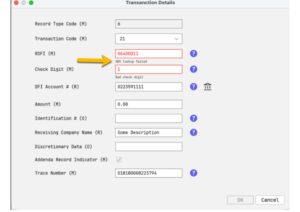
Verification at the point of entry using ACHgenie’s ABA Routing Number Validation is one of the more effective tools available. ABA Routing Number verification capabilities are built to ACHgenie’s batch header and transaction editing dialogs reduces the volume of R12s and other return-code failures reaching production.
Because R12 returns are triggered by legitimate banking changes, they should be handled separately from returns that signal potential fraud, such as unauthorized debits or stopped payments.
What does ACH Return Code R12 mean?
It means the receiving bank branch was sold or merged into another financial institution, so the original routing number is no longer valid for that account.
Is ACH Return Code R12 a sign of fraud?
No. R12 reflects a backend banking change, not unauthorized activity, a dispute, or insufficient funds.
How long does a bank have to return a transaction with code R12? The RDFI must return the transaction within two banking days of receiving it, per NACHA operating rules.
Can a business resubmit the same ACH transaction after receiving an R12 return?
No. A new transaction should be created with the customer’s updated routing and account information rather than resubmitting the original entry.
How can businesses reduce ACH Return Code R12 occurrences going forward?
Regular use of ACH verification tools, prompt customer outreach after bank mergers, and self-service options for updating payment details all reduce the frequency and impact of R12 returns.